










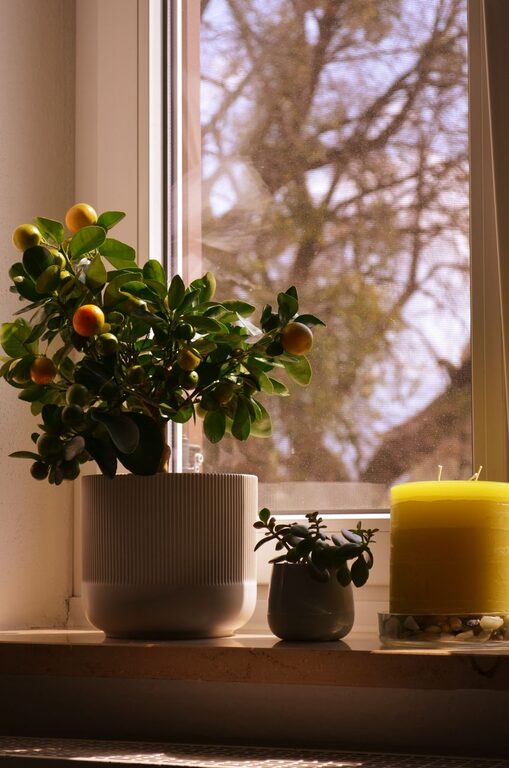
Bringing plants into your home is a wonderful way to refresh your living space. Not only do plants add natural beauty and color, but they can also improve air quality and create a calming environment. Whether you’re a seasoned plant parent or new to indoor gardening, there are plenty of easy and creative ways to incorporate greenery into your home. In this post, we’ll explore practical tips to help you choose, arrange, and care for plants that will breathe new life into your home.
Why Add Plants to Your Home?
Plants offer several benefits beyond aesthetics. Here are a few reasons to consider adding more greenery:
– Improve Air Quality: Many houseplants can filter toxins and release oxygen, promoting a healthier indoor environment.
– Boost Mood: Studies show that being around plants can help reduce stress and increase feelings of calm and happiness.
– Enhance Decor: Plants come in various shapes, sizes, and textures, making them versatile decor elements.
– Create a Cozy Atmosphere: Greenery softens the look of any space and adds a natural, welcoming touch.
Choosing the Right Plants for Your Home
When selecting plants, consider your living space’s lighting, humidity, and your level of time commitment for care.
Assess Lighting Conditions
Plants thrive under different light intensities. Check the natural light in each room:
– Bright, Direct Light: South-facing windows get the most sun. Succulents, cacti, and fiddle leaf figs thrive here.
– Moderate, Indirect Light: East or west windows offer gentle sunlight, suitable for peace lilies, spider plants, and pothos.
– Low Light: North-facing windows or corners away from windows work well for snake plants, ZZ plants, and philodendrons.
Consider Maintenance Needs
Some plants require more attention than others:
– Low Maintenance: Snake plants, pothos, and succulents tolerate occasional neglect.
– Moderate Care: Plants like rubber trees and calatheas need regular watering and some humidity.
– High Maintenance: Tropical plants may demand consistent watering, pruning, and humidity control.
Match Plant Size to Space
Choose plants that fit your available area:
– Small plants for desks and shelves
– Medium plants for coffee tables and counters
– Large plants for corners and floor spaces
Creative Ways to Incorporate Plants
Adding plants isn’t just about putting a pot in the corner. Here are inspiring ideas to refresh your home with plants:
Use Vertical Space
– Wall Planters: Install hanging planters or mounted pots to save floor space.
– Plant Shelves: Dedicate a shelf or bookcase to a variety of plants for a green display.
– Macramé Hangers: Stylish and space-saving, these can hold trailing plants like pothos.
Create a Plant Corner
Dedicate a cozy corner or nook for your plants. Mix different sizes and types to create a lush, inviting spot in a living room or bedroom.
Decorate with Plants on Tables and Windowsills
Place small potted plants on coffee tables, dining tables, or kitchen windowsills. Herbs in pots can bring greenery and utility to your cooking space.
Combine with Decorative Elements
Pair plants with attractive pots, plant stands, or decorative stones to enhance their visual appeal.
Plant Care Basics
Healthy plants make your home look even better. Follow these basic care tips:
– Watering: Overwatering is a common mistake. Check the moisture level before watering – the top inch of soil should be dry for most plants.
– Sunlight: Rotate plants occasionally so all sides get light.
– Humidity: Some plants enjoy misting or a nearby humidifier, especially tropical varieties.
– Pruning: Remove dead or yellowing leaves to encourage new growth.
– Feeding: Use plant fertilizer following the instructions during the growing season (spring and summer).
Troubleshooting Common Problems
Plants can face challenges, but most issues have simple solutions:
– Yellow Leaves: Could indicate overwatering or poor drainage.
– Brown Tips: May be due to low humidity or inconsistent watering.
– Pests: Look for small insects on leaves; wipe leaves or treat with gentle insecticidal soap.
Seasonal Plant Refresh Tips
– Rotate plants to new spots to change the feel of a room.
– Repot plants when roots outgrow their pots, usually every 1–2 years.
– Add seasonal blooms for variety, such as orchids or amaryllis during winter.
Final Thoughts
Refreshing your home with plants is a rewarding project that adds color, life, and freshness to your space. Start small, and gradually introduce plants that fit your lifestyle and living environment. With just a little care and creativity, plants can transform your home into a relaxing, inviting oasis you’ll enjoy every day.
Happy planting!